close
Choose Your Site
Global
Social Media
Views: 0 Author: Site Editor Publish Time: 2025-12-08 Origin: Site


When it comes to the safe operation of batteries, particularly in vehicles and industrial settings, many overlook the crucial role that a battery flame arrestor plays in preventing potential fires or explosions. Suzhou Kaihong Polymer Technology Co., Ltd., a leader in polymer materials, has been pioneering the development of polymer microporous products, including high-quality flame arrestors specifically designed for automotive and industrial battery systems. In this article, we will explore the importance of these safety devices and how they contribute to ensuring the safety and longevity of your battery systems.
A battery flame arrestor is a safety device designed to prevent the spread of flames into battery compartments, especially in systems that involve the release of potentially hazardous gases like hydrogen. This critical component works by allowing gases to exit the battery system while ensuring that flames or sparks cannot enter and ignite the gas, which could lead to catastrophic explosions.
These devices use a combination of porous materials and high surface area designs that help dissipate heat and absorb the energy from any flames, effectively extinguishing them before they can reach the battery. Depending on the design, a flame arrestor can be integrated into battery vents or caps, playing a vital role in preventing ignition sources from coming into contact with flammable gas mixtures.
The battery flame arrestor is typically made from corrosion-resistant materials such as stainless steel or other specially designed polymers that can withstand harsh environments and extreme conditions. The choice of material ensures that the flame arrestor continues to function effectively even in highly acidic or corrosive environments commonly encountered in industrial and automotive battery systems.
In many industrial and automotive applications, batteries, especially automobile batteries, release gases during the charging process. These gases, primarily hydrogen and oxygen, are highly flammable and pose a significant risk of fire or explosion if ignited. The presence of a battery flame arrestor in such systems is essential for controlling these risks.
When a battery is charged or discharged, it generates gases that must be vented out. In confined spaces or areas with high heat sources, such as near electrical sparks or hot engine components, the risk of these gases catching fire becomes real. A flame arrestor ensures that the gases can exit safely while preventing any spark or flame from entering the system, significantly reducing the chance of a fire hazard.
Moreover, the battery flame arrestor plays a key role in protecting not only the battery itself but also the entire system in which the battery operates. Whether it’s an automobile battery or an industrial battery used in manufacturing or power systems, the safety of personnel and the surrounding environment can be enhanced by using high-quality flame arrestors.
In environments where volatile chemicals are present, flame arrestors also help mitigate the risk of a fire or explosion, which can lead to costly damages and even loss of life. The use of these devices is particularly important in vehicles, heavy machinery, and other industrial applications where the performance and safety of the battery are critical to overall operations.
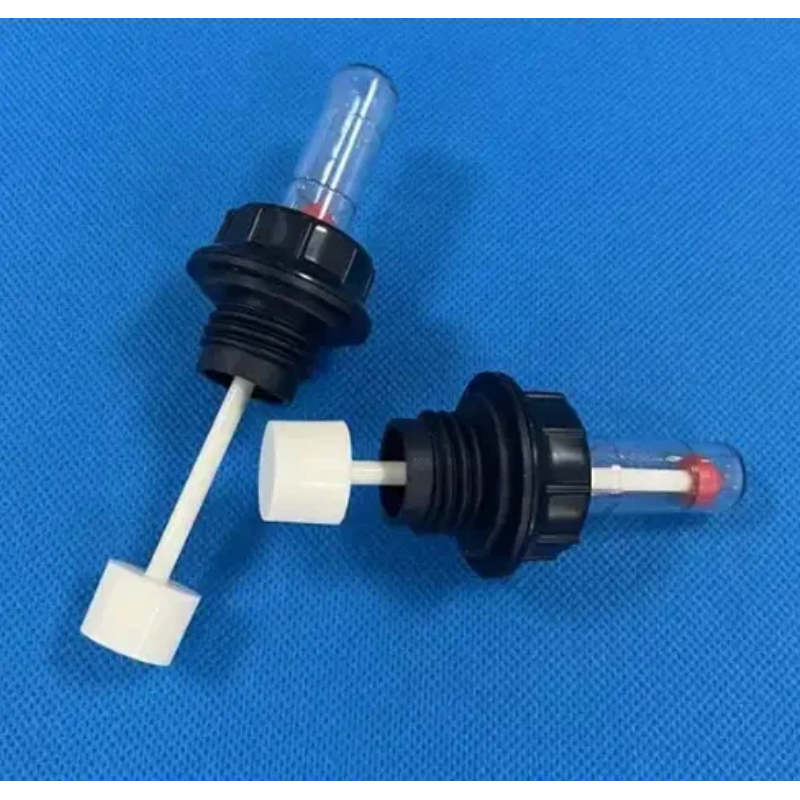
Choosing the right battery flame arrestor involves considering several factors that will ensure compatibility with your battery system and the operating environment. The first step is understanding the type of battery you are using—whether it is a battery for a car, a commercial vehicle, or an industrial setting—each type of battery may have specific venting requirements.
Battery Type: Different batteries, including automobile batteries and industrial batteries, have unique venting systems. For instance, automotive batteries generally use vent caps, while industrial batteries might use more complex venting systems that require specialized flame arrestors.
Venting Design: It is crucial to match the design of the flame arrestor with the vent design of your battery. Flame arrestors are available for different configurations, such as threaded or press-fit designs, so understanding the vent system in your battery is key to choosing the right arrestor.
Material and Durability: Since batteries are often exposed to harsh conditions, such as high temperatures, corrosive chemicals, and moisture, the material of the flame arrestor is a critical consideration. Opt for arrestors made from corrosion-resistant metals or durable polymers that can withstand exposure to acids, high humidity, and temperature fluctuations.
Certification and Testing: Ensuring that the flame arrestor has been rigorously tested and certified by independent organizations is crucial for guaranteeing its reliability. Look for flame arrestors that meet industry standards for safety and performance, especially in high-risk environments.
By understanding these factors, you can make an informed decision about the best battery flame arrestor for your needs, ensuring both safety and efficiency in your battery systems.
Even with the right battery flame arrestor, there are common mistakes that can reduce its effectiveness or lead to safety hazards. One of the most frequent errors is improper installation. While a flame arrestor might seem like a simple device, improper installation can render it ineffective, especially if it is not securely fastened or if the vent cap is not properly aligned.
Another mistake is neglecting regular maintenance. Over time, dust, dirt, and chemical buildup can clog the arrestor's pores, reducing its ability to dissipate heat or prevent flame propagation. Regular cleaning and maintenance checks should be part of any battery system’s safety protocol.
It’s also crucial not to overlook the environment in which the battery flame arrestor operates. In certain high-risk environments, such as locations with high levels of flammable gases or near heat sources, it is essential to verify that the arrestor is functioning properly and that there are no blockages or obstructions in the venting system.
At Suzhou Kaihong Polymer Technology Co., Ltd., we specialize in the design and production of high-quality battery flame arrestors that are built to meet the needs of diverse applications. Our products are crafted with advanced polymer microporous materials, offering excellent resistance to corrosion, high temperatures, and chemicals commonly found in industrial and automotive environments.
We are committed to providing flame arrestors that ensure the highest levels of safety and performance for automobile batteries, industrial batteries, and other types of battery systems. Our products undergo strict testing and meet international safety standards, providing you with peace of mind knowing that your battery system is safeguarded from the risk of fire or explosion.
Whether you need flame arrestors for automobile batteries, industrial systems, or custom applications, we can provide tailored solutions that align with your specific requirements. Contact us today to learn more about our range of flame arrestors and how they can enhance the safety and reliability of your battery systems.
In conclusion, a battery flame arrestor is a critical safety component that every battery system should include. Whether you're working with an automobile battery or an industrial battery, these devices play a vital role in preventing the spread of flames and reducing the risk of catastrophic fires or explosions. By selecting the right battery flame arrestor and maintaining it properly, you can ensure the safety of both the battery and the overall system. For more information on our high-quality flame arrestors and how they can improve the safety of your battery systems, contact us today.
What is a battery flame arrestor and why is it important?
A battery flame arrestor is a safety device designed to prevent the spread of flames into battery compartments, ensuring gases like hydrogen are safely vented without the risk of ignition.
Can I use the same flame arrestor for different battery types?
No, different battery types have specific venting systems. It’s essential to choose a flame arrestor that is compatible with the design and venting configuration of your battery system.
How often should I maintain my battery flame arrestor?
Regular maintenance is key. It's recommended to check the flame arrestor periodically for blockages or buildup of dust and dirt, especially in industrial or automotive applications.
What are the key factors to consider when choosing a battery flame arrestor?
Factors such as battery type, venting design, material durability, and certification standards should all be considered when selecting the right flame arrestor for your battery system.