close
Choose Your Site
Global
Social Media
Views: 0 Author: Site Editor Publish Time: 2026-05-25 Origin: Site


In industries such as manufacturing, packaging, and medical sectors, pneumatic systems are integral to the daily operation of machinery. While these systems provide essential functions, they often generate significant noise and exhaust pollutants such as oil mist, dust, and particulate matter. This dual issue of noise and contamination poses challenges to both operational efficiency and workplace safety.
To address these concerns, muffler filter elements present a highly effective solution. These combined devices reduce noise while also filtering harmful contaminants from exhaust air, improving the overall safety and cleanliness of industrial environments. This article will explore how muffler filter elements work, their benefits, and their ideal applications in pneumatic systems.
A muffler filter element is an innovative component that combines two key functions: noise reduction and air filtration. Essentially, it serves as a dual-purpose exhaust element that helps mitigate both the noise and pollutants associated with pneumatic machine exhausts.
A muffler typically reduces the noise produced by air being expelled from pneumatic systems, while the filter element traps contaminants such as oil mist, dust, and fine particles. This makes muffler filter elements particularly useful in environments where air cleanliness is critical, such as in food processing, pharmaceuticals, and laboratory settings.
Why are muffler filter elements especially necessary in certain industries? Pneumatic machines used in manufacturing or processing facilities are not only noisy but also emit pollutants that could contaminate sensitive work environments. This dual problem of noise and pollution can lead to unsafe working conditions, regulatory non-compliance, and a negative impact on equipment performance. Muffler filter elements effectively address these issues by reducing noise and cleaning the exhaust air, making them indispensable in various industries.
The core function of a muffler filter element is its ability to quiet down exhaust noise while simultaneously filtering out harmful substances from the air. The design of a muffler filter element typically incorporates a porous media or filter material inside the muffler housing. When compressed air is released through this system, sound waves are absorbed and scattered by the porous material, significantly reducing noise levels.
At the same time, the filter component captures oil mist, dust, and other airborne pollutants present in the exhaust air. These pollutants are trapped within the filter media, preventing them from being expelled into the surrounding environment, which ensures a cleaner and safer atmosphere in industrial settings.
By combining these two functions, muffler filter elements allow for cleaner, quieter exhaust systems without compromising the performance of pneumatic machinery. In fact, the air exiting the system is not only quieter but also much cleaner, suitable for environments that require controlled air quality.
Muffler filter elements offer a range of benefits that go beyond just noise reduction. Here are some of the most significant advantages:
One of the primary benefits of muffler filter elements is their ability to significantly reduce exhaust noise. Studies have shown that muffler filter elements can reduce sound levels by as much as 20-35 dB(A), depending on the system design and operating conditions. This makes them highly effective in environments where noise control is a priority.
In addition to reducing noise, muffler filter elements play a critical role in cleaning the exhaust air. They are capable of capturing oil mist, dust, and fine particles that may be present in the exhaust air. This is particularly important in industries such as pharmaceuticals, food processing, and precision manufacturing, where air cleanliness is crucial to maintaining the integrity of the product and ensuring employee health.
By trapping contaminants, muffler filter elements help prevent pollutants from being released into the surrounding environment, thereby improving workplace safety. This not only reduces the risk of air pollution but also ensures that workers are not exposed to harmful airborne substances, which could otherwise lead to respiratory issues or other health problems.
Contaminants in exhaust air can have a detrimental effect on the performance of pneumatic equipment. Oil mist and particulates can build up inside valves, cylinders, and pipes, leading to wear and tear, increased maintenance costs, and even potential system failures. By filtering out these harmful substances, muffler filter elements help prolong the life of pneumatic equipment, reducing maintenance needs and lowering operational costs in the long run.
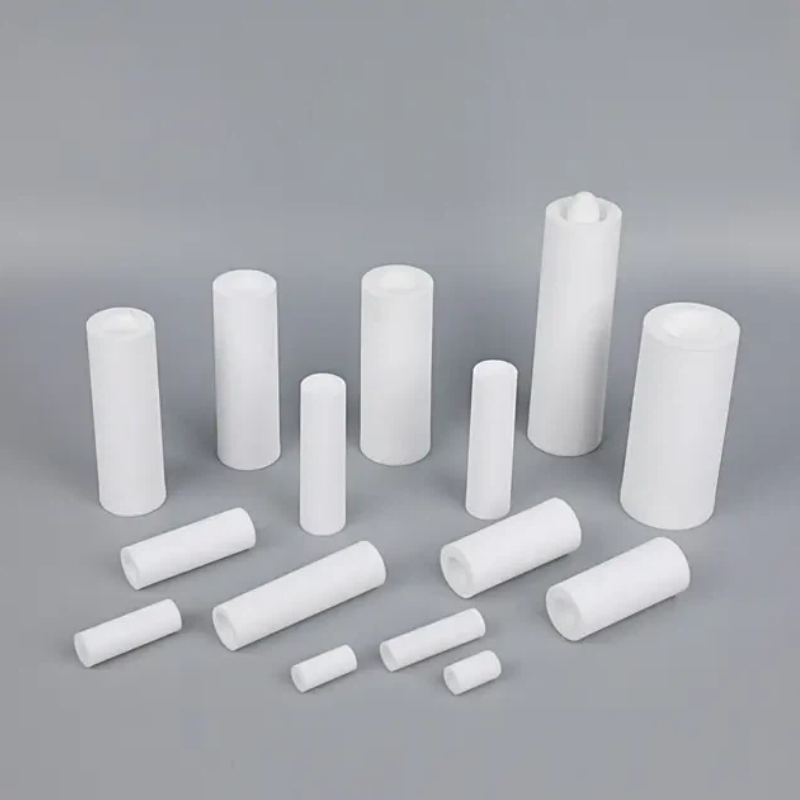
While basic mufflers are effective at reducing noise, there are specific scenarios where muffler filter elements should be the preferred choice:
Frequent Exhaust and Sensitive Environments: If your pneumatic machine operates frequently or in environments with high air quality requirements (e.g., food, pharmaceutical, or packaging industries), a muffler filter element is the ideal solution for controlling both noise and pollutants.
Exhaust Contaminants: If your exhaust air contains oil mist, dust, or other particulates, a muffler filter element is essential to prevent these contaminants from being released into the environment.
Dual Need for Noise and Pollution Control: If both noise reduction and exhaust air purification are critical for your application, a muffler filter element is a comprehensive solution that addresses both issues simultaneously.
Health, Safety, and Environmental Standards: For industries where occupational health, emissions standards, and environmental safety are regulated, muffler filter elements provide a means to comply with these standards while maintaining a quieter and cleaner workspace.
When selecting and installing a muffler filter element, there are several key considerations to ensure optimal performance:
It is essential to ensure that the muffler filter element is compatible with your pneumatic system in terms of thread type, flow capacity, and pressure rating. Selecting the right model ensures that the muffler filter element fits your system's exhaust port without restricting airflow.
While muffler filter elements are low maintenance, they should still be regularly checked for blockages or saturation. Over time, the filter media can become clogged, reducing its effectiveness. Cleaning or replacing the filter element as needed ensures that the system continues to perform optimally.
Excessive backpressure can negatively impact the performance of pneumatic systems, leading to inefficiency or damage. When selecting a muffler filter element, ensure that it is designed to handle your system’s exhaust flow rate and pressure conditions to prevent backpressure issues.
Some muffler filter elements need to be installed in a specific orientation or position to function effectively, especially when filtering oil mist or fine particulates. Always follow the manufacturer's guidelines to ensure that the element is correctly installed for maximum efficiency.
In conclusion, muffler filter elements offer an invaluable solution for reducing noise and purifying exhaust air in pneumatic systems. Their dual functionality helps make industrial environments safer and cleaner, while also protecting equipment and improving operational efficiency. These elements are especially beneficial in industries where noise control and air purity are critical, such as in pharmaceuticals, food processing, and precision manufacturing.
When selecting a muffler filter element for your pneumatic systems, it is essential to choose the right specifications based on pressure, flow, and exhaust conditions. Ensuring proper installation and regular maintenance will allow the muffler filter element to perform optimally, providing long-term benefits.
If you are looking to enhance the quality and safety of your pneumatic systems, consider upgrading to a muffler filter element. Contact us today to learn more about our muffler filter element solutions and find the perfect fit for your equipment.
Q1: What is a muffler filter element made of?
A muffler filter element typically consists of a muffler housing made from durable materials like plastic or metal, with a filter media designed to capture contaminants such as oil mist, dust, and particulates.
Q2: How much noise can a muffler filter element reduce?
Muffler filter elements can reduce exhaust noise by 20-35 dB(A), depending on the system’s design and operational conditions, making them highly effective in noise-sensitive environments.
Q3: Can muffler filter elements be used in all pneumatic systems?
Yes, muffler filter elements can be used in most pneumatic systems. However, it is important to choose a model that matches your system’s pressure, flow, and exhaust specifications to ensure optimal performance.
Q4: How often should a muffler filter element be maintained?
Regular maintenance is essential. Muffler filter elements should be checked for blockages or saturation, and the filter media should be cleaned or replaced as needed to maintain efficiency.