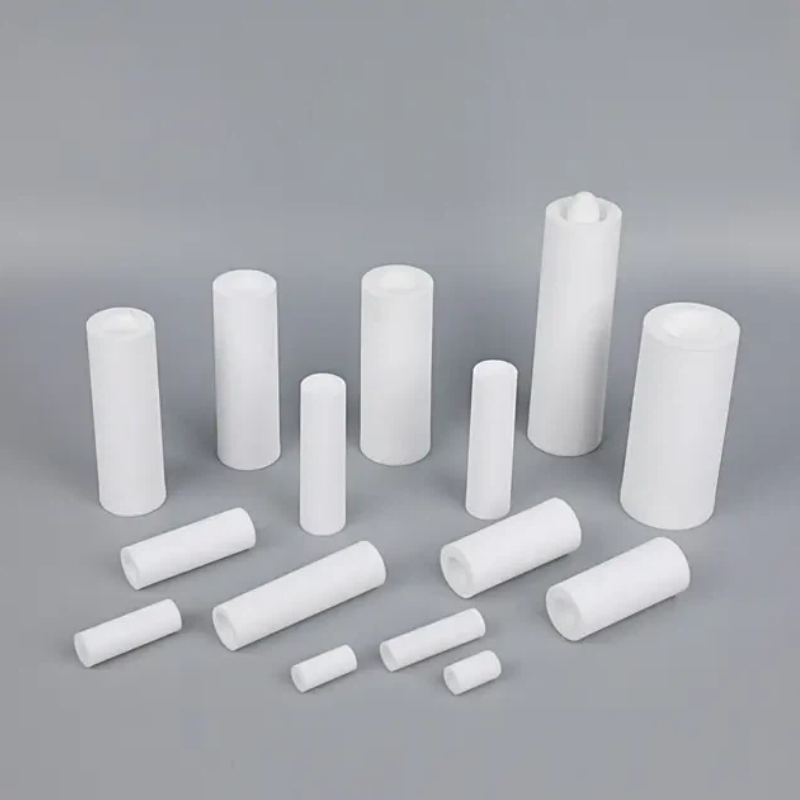
In the world of filtration, finding a component that balances durability, efficiency, and versatility is key—whether you’re filtering water for agricultural irrigation, purifying industrial fluids, or ensuring clean water for daily use. Enter the PE filter tube: a cost-effective, high-performance filtration solution made from polyethylene (PE), one of the most reliable and widely used materials in modern manufacturing. In this article, we’ll explore what PE filter tubes are, how they work, their unique advantages, and why they’re the go-to choice for countless filtration applications worldwide.
What Is a PE Filter Tube, and How Does It Work?
A PE filter tube is a specialized filtration component crafted from polyethylene—a thermoplastic resin known for its non-toxic, corrosion-resistant, and flexible properties. Available in various types, including PE sintered filter tubes, PE mesh filter tubes, and PE针刺毡滤管, it is designed to separate impurities from liquids or gases, ensuring the purity and safety of the filtered medium.
The working principle of a PE filter tube depends on its type, but the core mechanism remains consistent: the tube acts as a physical barrier, allowing the desired medium (water, air, or fluid) to pass through while trapping contaminants such as dust, sediment, suspended particles, and even organic impurities. For example, PE sintered filter tubes—made by sintering ultra-high molecular weight polyethylene—feature a uniform porous structure that can filter particles as small as 0.5μm, while PE mesh filter tubes use a woven or extruded mesh to capture larger impurities in irrigation or industrial pipelines.
Unlike rigid filter materials that are prone to cracking or corrosion, PE’s inherent flexibility and chemical stability allow the filter tube to maintain its structure even in harsh conditions, ensuring consistent filtration performance over time.
Key Advantages of PE Filter Tubes: Why They Outperform Other Materials
PE filter tubes stand out from other filtration materials (such as stainless steel, glass fiber, or PVC) due to their unique combination of properties. Here are the top benefits that make them a preferred choice for both industrial and residential applications:
1. Non-Toxic & Food-Grade Safety
PE is a food-grade, non-toxic material that contains no heavy metal stabilizers or harmful additives, making it safe for applications involving drinking water, food processing, and pharmaceutical filtration. Whether used in household water filters or beverage production lines, PE filter tubes ensure that the filtered medium remains free of contamination, protecting human health and product quality.
2. Exceptional Corrosion & Chemical Resistance
One of PE’s greatest strengths is its resistance to most chemicals, including acids, alkalis, and organic solvents (with the exception of strong oxidizing acids). This makes PE filter tubes ideal for industrial applications such as chemical processing, electroplating, and wastewater treatment, where exposure to corrosive substances is common. Unlike metal filters that rust or degrade over time, PE filter tubes maintain their integrity even in harsh chemical environments.
3. Durable & Long-Lasting
PE is a highly durable material with excellent impact resistance, toughness, and wear resistance. PE filter tubes can withstand high pressure (up to 6bar depending on temperature) and temperature variations (from -70℃ to 120℃, depending on the type) without cracking or breaking. Additionally, they are resistant to UV radiation and aging, making them suitable for both indoor and outdoor use—from agricultural irrigation systems to outdoor water treatment plants.
4. Cost-Effective & Easy to Maintain
Compared to stainless steel or ceramic filters, PE filter tubes are more affordable to manufacture, making them a cost-effective option for large-scale filtration projects. They are also lightweight and easy to install, reducing labor costs during setup. Maintenance is simple too: most PE filter tubes can be cleaned via backwashing, flushing, or chemical cleaning, eliminating the need for frequent replacement and reducing long-term operational costs.
5. Versatile & Customizable
PE filter tubes are available in a wide range of sizes, shapes, and filtration precisions (from 0.5μm to 100μm or more), making them suitable for diverse applications. Whether you need a fine filter for medical药液 purification or a coarse mesh for agricultural irrigation, PE filter tubes can be customized to meet specific requirements. They are also compatible with various filtration systems, including pipeline filters, cartridge filters, and batch filters.
Common Applications of PE Filter Tubes
Thanks to their versatility and performance, PE filter tubes are used in a wide range of industries and applications. Here are some of the most common uses:
1. Water Treatment & Irrigation
PE filter tubes are widely used in agricultural irrigation systems to filter sediment, sand, and debris from water, preventing clogging of sprinklers and drip lines. They are also used in residential and municipal water treatment to remove suspended particles, chlorine, and organic impurities, ensuring clean drinking water. Additionally, they play a key role in wastewater treatment, filtering contaminants from industrial or domestic wastewater before discharge or reuse.
2. Industrial Filtration
In industrial settings, PE filter tubes are used for filtering process fluids, such as electroplating solutions, emulsions, and lubricants, to remove impurities and extend the life of equipment. They are also used in dust collection systems (as PE针刺毡滤管) for capturing dry, non-corrosive dust in industries like mining, cement production, and mechanical processing.
3. Food & Pharmaceutical Industries
Due to their food-grade safety, PE filter tubes are used in food and beverage production to filter juices, wines, and dairy products, removing sediment and impurities while preserving flavor and quality. In the pharmaceutical industry, they are used for filtering medical intermediates, injections, and herbal extracts, ensuring compliance with strict hygiene standards.
4. Other Applications
PE filter tubes are also used in aquarium filtration systems, laboratory equipment, and oil filtration, where their non-toxic, corrosion-resistant properties make them an ideal choice. They are even used in electronic industrial ultra-pure water preparation systems to ensure the purity of water used in manufacturing processes.
How to Choose the Right PE Filter Tube for Your Application
Choosing the right PE filter tube depends on your specific filtration needs, including the type of medium, desired filtration precision, operating conditions, and application. Here are the key factors to consider:
1. Filtration Precision
Determine the size of impurities you need to filter. For fine filtration (0.5–10μm), choose PE sintered filter tubes; for coarse filtration (10–100μm or more), PE mesh filter tubes are more suitable. For dust collection, PE针刺毡滤管 with the appropriate pore size (≥1μm) is ideal for capturing dry dust particles.
2. Operating Conditions
Consider the temperature and pressure of your filtration system. PE filter tubes can withstand temperatures from -70℃ to 120℃, but the maximum operating pressure decreases with increasing temperature (e.g., 6bar at 0–40℃, 4bar at 120℃). If your application involves corrosive chemicals, ensure the PE filter tube is compatible with the specific medium.
3. Application Type
For water-based applications (irrigation, drinking water), choose food-grade PE filter tubes. For industrial chemical filtration, opt for corrosion-resistant PE sintered tubes. For dust collection, PE针刺毡滤管 with good air permeability and easy cleaning is preferred.
4. Size & Compatibility
Ensure the PE filter tube fits your existing filtration system. They are available in various diameters (from small cartridges to large pipeline tubes) and lengths, and can be customized to match specific system requirements.
Common Myths About PE Filter Tubes (Debunked)
Despite their many advantages, there are some common misconceptions about PE filter tubes. Let’s set the record straight:
Myth 1: “PE filter tubes are not as durable as metal filters.”
While metal filters are rigid, they are prone to corrosion and rust in harsh environments. PE filter tubes, on the other hand, are corrosion-resistant, impact-resistant, and long-lasting—often outperforming metal filters in chemical or outdoor applications. They can withstand heavy use and temperature variations without degrading.
Myth 2: “PE filter tubes can’t handle high-pressure applications.”
High-quality PE filter tubes (especially PE sintered tubes) can handle operating pressures up to 6bar, which is sufficient for most industrial and residential applications. Their flexible structure also allows them to absorb pressure fluctuations, reducing the risk of breakage.
Myth 3: “PE filter tubes are only suitable for low-precision filtration.”
This is false. PE sintered filter tubes offer high precision, capable of filtering particles as small as 0.5μm—making them suitable for fine filtration applications like pharmaceutical and electronic manufacturing. They are just as precise as many ceramic or stainless steel filters, but at a lower cost.
Final Thoughts: Why PE Filter Tubes Are the Smart Choice for Filtration
PE filter tubes combine safety, durability, versatility, and cost-effectiveness—making them an ideal filtration solution for a wide range of applications. Whether you’re looking to purify water for your home, optimize industrial processes, or protect agricultural irrigation systems, PE filter tubes deliver consistent performance and long-term value.
Unlike other filter materials that require frequent replacement or maintenance, PE filter tubes are easy to care for and built to last, reducing operational costs and minimizing downtime. Their non-toxic, corrosion-resistant properties also make them a safe choice for applications involving human contact or sensitive products.
Ready to find the perfect PE filter tube for your needs? Browse our selection of high-quality, customizable PE filter tubes—including sintered, mesh, and针刺毡 types—and experience the difference that a reliable filtration solution can make.