close
Choose Your Site
Global
Social Media
Views: 0 Author: Site Editor Publish Time: 2026-05-29 Origin: Site


Laboratories around the world rely on pipetting as one of their most essential tasks, whether for molecular biology, medical research, or clinical diagnostics. One of the key challenges faced during pipetting is the risk of contamination, which can lead to inaccurate results, wasted resources, and compromised research integrity. In this context, using PE pipette tips filters becomes a game-changer. Suzhou Kaihong Polymer Technology Co., Ltd. manufactures high-quality medical pipette tips filters, designed to address these challenges while ensuring accuracy, safety, and reliability. In this article, we will explore the importance of PE pipette tips filters in laboratory work, how they work, and why they are an essential tool for high-precision scientific applications.
The risk of contamination during pipetting is a common issue that affects laboratories across various scientific fields. Even small amounts of contamination, such as aerosols or carry-over liquids, can have a significant impact on the accuracy and reliability of experiments. PE pipette tips filters are specifically designed to prevent this by acting as a barrier against aerosols and other contaminants.
The primary function of medical pipette tips filters is to block any potential contamination from reaching the pipette or the sample. These filters are typically made of high-quality polyethylene (PE) or polypropylene (PP) materials, which have excellent hydrophobic properties, ensuring that only the intended liquids are transferred. By doing so, they significantly reduce the risk of cross-contamination and improve the reproducibility of results, which is especially critical in molecular biology and clinical diagnostics.
Moreover, using PE pipette tips filters helps protect valuable equipment such as pipettes. When aerosols or liquids enter the pipette, it can lead to internal contamination and may even cause damage to the pipette mechanism. Filtered tips ensure that these issues are avoided, extending the life of the pipettes and reducing the need for costly repairs. This can be especially important for laboratories that rely on precision instruments and cannot afford downtime due to equipment failure.
PE pipette tips filters are engineered with a porous membrane that allows for air exchange but prevents the passage of liquids and aerosols. The hydrophobic nature of the membrane prevents liquids from passing through while still allowing for accurate pipetting. This unique design ensures that even small amounts of airborne contaminants or liquid residue are blocked from reaching the pipette or the sample.
Typically, medical pipette tips filters are designed to be compatible with various pipette models and come in different sizes to accommodate a wide range of sample volumes. From micro-pipetting for small samples (such as DNA or RNA analysis) to larger volumes in clinical diagnostics, these filters can meet the specific needs of any laboratory.
In addition to their contamination-blocking properties, PE pipette tips filters are often made from materials that are free from contaminants such as RNase, DNase, and pyrogens, making them ideal for sensitive applications like genetic research and cell culture. These filters are also sterilized to prevent the introduction of any unwanted microorganisms into the samples, ensuring the purity and integrity of experiments.
The filtration membrane is placed at the top of the pipette tip, preventing aerosolized liquids or droplets from escaping. This placement ensures that even during rapid pipetting or when using low volumes, the integrity of the sample is preserved. In addition, the design of PE pipette tips filters allows for easy disposal, preventing any accidental exposure to hazardous substances when discarding the tips.
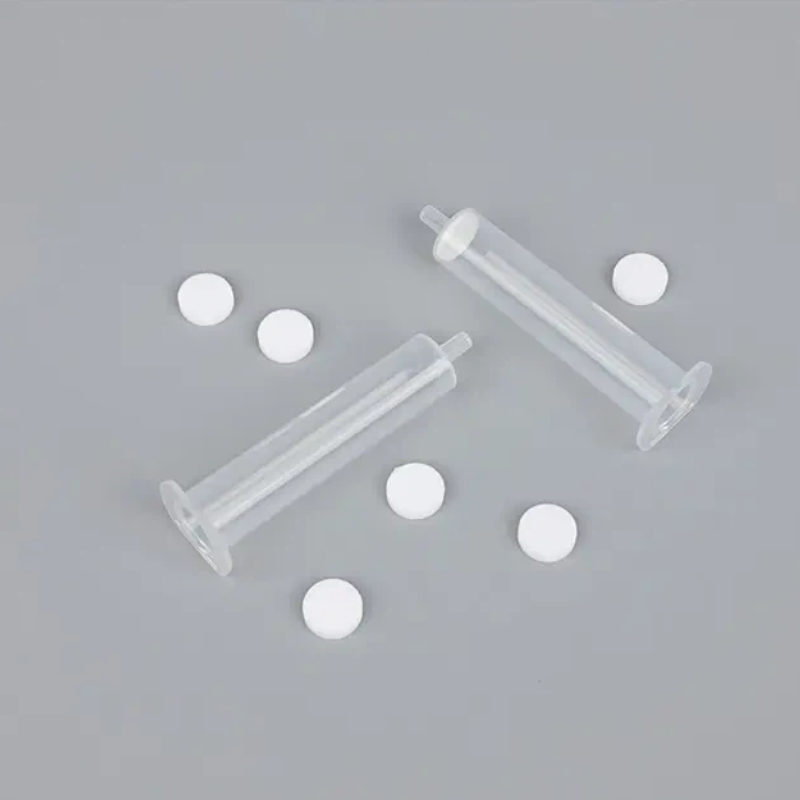
PE pipette tips filters are especially crucial in environments where contamination could significantly alter experimental outcomes. Laboratories engaged in molecular biology, genetic research, and clinical diagnostics can particularly benefit from using filtered pipette tips. Applications such as PCR (Polymerase Chain Reaction), DNA/RNA extraction, and cell culture require the utmost precision and minimal contamination, making filtered tips indispensable.
In addition, medical pipette tips filters are highly recommended when working with hazardous materials, such as toxic chemicals, radioactive substances, or volatile solvents. These materials not only pose a risk to the researcher but can also be harmful to the pipette itself, causing wear and tear over time. By using PE pipette tips filters, laboratories can ensure that their samples, equipment, and personnel remain protected from potential contamination and exposure to harmful substances.
Using PE pipette tips filters is also beneficial in high-throughput environments where large volumes of samples need to be processed quickly and accurately. In such settings, the risk of contamination increases due to the sheer number of samples being handled. Filtered pipette tips help maintain the integrity of each sample, ensuring that results remain consistent and reliable, even when processing hundreds of samples per day.
Enhanced Accuracy and Reliability
The primary advantage of using PE pipette tips filters is the significant improvement in accuracy and reproducibility. By preventing contamination from aerosols or carry-over liquids, filtered tips ensure that only the intended sample is transferred, which is essential for achieving precise experimental results. This is particularly important in applications like PCR, where even small amounts of contamination can lead to erroneous results.
Protection for Expensive Equipment
Pipettes are a significant investment for any laboratory, and their proper maintenance is crucial to their longevity. Medical pipette tips filters help protect the internal components of pipettes by preventing contaminants from entering the pipette mechanism, thereby reducing wear and tear and extending the life of the equipment. This protection also minimizes the need for costly repairs or replacements, making filtered tips a smart investment in the long run.
Cost-Effectiveness in the Long Run
While PE pipette tips filters may have a higher upfront cost compared to regular pipette tips, they offer significant cost savings in the long run. The reduction in contamination-related errors means fewer failed experiments, less waste of costly reagents, and a lower likelihood of needing to replace equipment. Additionally, PE pipette tips filters help laboratories maintain a clean and safe working environment, reducing the risk of costly accidents or mishandling of toxic materials.
Biosafety and Compliance with Regulations
Many industries, particularly the medical and pharmaceutical sectors, require strict adherence to biosafety standards. Using PE pipette tips filters helps ensure compliance with these standards, making them essential for laboratories that need to maintain high levels of safety and regulatory compliance. These filters are designed to meet the requirements of GMP (Good Manufacturing Practice), IVD (In Vitro Diagnostic), and other relevant regulations, making them ideal for use in regulated environments.
Versatility in Application
PE pipette tips filters are highly versatile and can be used in a wide range of applications. From research and clinical diagnostics to industrial and pharmaceutical settings, these filters provide a universal solution for contamination control in pipetting. The variety of available sizes and compatibility with different pipette models ensures that medical pipette tips filters can be used in virtually any laboratory setting.
To maximize the benefits of PE pipette tips filters, it is important to follow best practices when using them in the laboratory. Ensure that the tips are correctly attached to the pipette, as improper attachment can lead to air leaks, which may compromise the accuracy of the pipetting process. When handling viscous liquids or working near the filter barrier, avoid over-aspiration, as this can damage the filter or cause liquid to bypass the filter membrane.
Additionally, when using medical pipette tips filters in sensitive experiments, such as PCR or genetic testing, always ensure that the tips are sterile to avoid introducing any unwanted contaminants into the sample. It is also recommended to avoid using expired or damaged filter tips, as these may not perform as effectively in preventing contamination.
In conclusion, PE pipette tips filters are an essential tool for any laboratory that requires high levels of accuracy, safety, and contamination control. Whether working in molecular biology, clinical diagnostics, or industrial applications, these filters help ensure that experiments are reliable, reproducible, and free from contamination. By using medical pipette tips filters, laboratories can protect their equipment, ensure the integrity of their samples, and reduce the risk of costly errors. At Suzhou Kaihong Polymer Technology Co., Ltd., we are committed to providing the highest quality PE pipette tips filters, designed to meet the stringent demands of modern scientific applications. For more information about our products and how they can benefit your laboratory, please contact us.
Q1: Why should I choose PE filter pipette tips over regular pipette tips?
A1: PE filter pipette tips provide superior protection against contamination, ensuring that your samples remain pure and your pipetting results are accurate. They are especially crucial in molecular biology, genetic research, and clinical diagnostics.
Q2: How do PE filter pipette tips work?
A2: PE filter pipette tips are designed with a hydrophobic porous membrane that blocks aerosols and liquid carry-over while allowing for precise pipetting. This membrane protects both your samples and your equipment from contamination.
Q3: Are PE pipette tips filters compatible with all pipettes?
A3: Yes, PE pipette tips filters are designed to be compatible with most pipettes, including both single-channel and multi-channel pipettes. They are available in various sizes to accommodate different sample volumes.
Q4: What applications benefit the most from using PE pipette tips filters?
A4: Applications such as PCR, DNA/RNA extraction, cell culture, and clinical diagnostics can benefit greatly from using PE pipette tips filters, as these procedures require the highest level of contamination control.