close
Choose Your Site
Global
Social Media
Views: 0 Author: Site Editor Publish Time: 2025-09-08 Origin: Site


In modern vehicles, safety and performance go hand in hand. While advancements in automotive engineering have given us more powerful engines, efficient drivetrains, and smarter electronics, the role of the battery remains foundational. The car battery not only powers the ignition system but also provides energy to electronic components and safety features. However, as essential as batteries are, they also carry certain risks—particularly the risk of explosion or fire due to the flammable gases they emit.
This is where bettery flame arrestors come into play. Often overlooked by drivers, these small but critical components significantly enhance battery safety by preventing dangerous ignition events. This article explores what flame arrestors are, how they work, why they are indispensable in automotive design, and their broader role in ensuring long-term vehicle reliability.
Automobile batteries, typically lead-acid or increasingly lithium-ion, generate energy through chemical reactions. During these processes, gases such as hydrogen can be released, especially when a battery is overcharged or damaged. Hydrogen is highly flammable and, when combined with oxygen in the right proportions, can create explosive conditions.
Without proper safeguards, even a small spark near the battery could ignite the gas mixture, leading to catastrophic outcomes. The automobile industry has recognized this risk for decades and developed technologies like flame arrestors to mitigate it.
A bettery flame arrestor is a safety device integrated into the design of automotive batteries. Its primary function is to prevent external flames or sparks from igniting flammable gases inside the battery casing.
Design: Flame arrestors are typically small, porous elements made from materials such as sintered polymers, ceramics, or metals.
Mechanism: They allow gases to vent safely while cooling and dissipating heat from any flame that tries to pass through. By reducing the temperature of the flame below the ignition point, they act as a physical barrier between the inside of the battery and external ignition sources.
Placement: They are usually located at the battery venting points, where gases are most likely to escape.
This seemingly simple component plays a monumental role in safeguarding both the vehicle and its passengers.
The importance of flame arrestors becomes clearer when we examine the risks associated with batteries in vehicles:
Hydrogen Accumulation: Even under normal use, hydrogen can accumulate in and around the battery compartment. Without controlled venting and flame prevention, this creates an explosion hazard.
External Sparks: Simple actions like connecting or disconnecting jumper cables, or even static electricity, can produce sparks that ignite these gases.
Accidents and Collisions: During impacts, damaged electrical systems can generate arcs or flames. Flame arrestors ensure that even in these worst-case scenarios, the gases inside the battery are less likely to ignite.
Thus, flame arrestors serve as the last line of defense, protecting drivers, passengers, and vehicles from otherwise unpredictable dangers.
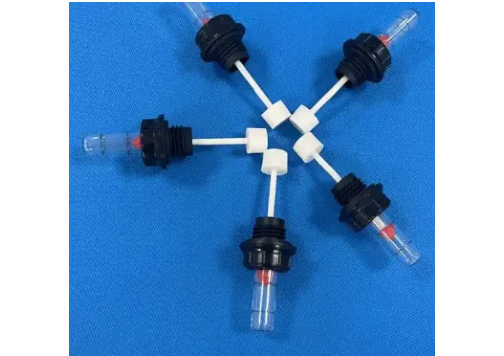
The effectiveness of a flame arrestor comes from its physical and thermal properties:
Gas Permeability: The porous material of the arrestor allows gases like hydrogen to escape, preventing dangerous pressure buildup inside the battery.
Heat Absorption: If a flame or spark comes into contact with the venting gases, the flame arrestor absorbs and dissipates the heat, lowering the flame’s temperature below the ignition threshold.
Barrier Function: The arrestor’s design blocks flame propagation into the battery, ensuring that combustion cannot occur inside the casing.
In short, a flame arrestor is both a ventilation tool and a safety shield, making it a dual-purpose innovation for automotive batteries.
The use of bettery flame arrestors in modern vehicles delivers a wide range of advantages that go beyond simple compliance. These benefits touch on safety, performance, and long-term reliability, making them an indispensable component of automotive battery design.
a Enhanced Passenger Safety
The most important benefit lies in the protection of human life. Flame arrestors prevent explosions or fires caused by hydrogen and other flammable gases that accumulate during battery operation. By serving as a physical barrier, they reduce the chances of ignition in day-to-day driving as well as in high-risk situations, such as collisions. This provides drivers and passengers with greater peace of mind, knowing that one of the vehicle’s most critical components is safeguarded.
b Improved Battery Reliability
Flame arrestors not only protect passengers but also enhance the durability of the battery itself. By ensuring controlled gas release and preventing ignition inside the casing, the device reduces stress on battery materials. This helps extend the overall lifespan of the battery and ensures steady performance, even under demanding conditions.
c Compliance with Safety Standards
With global automotive regulations becoming stricter, manufacturers are under pressure to meet safety and environmental requirements. Flame arrestors allow them to comply without compromising design or efficiency, ensuring that their vehicles can be marketed worldwide with confidence.
d Reduced Maintenance and Risks for Mechanics
For service technicians, batteries present potential hazards during routine maintenance. Flame arrestors reduce the risk of fire or explosion in workshops, lowering the chances of workplace accidents and making battery handling significantly safer. This improves trust in the technology across the entire automotive ecosystem.
While most commonly associated with automobiles, battery flame arrestors also find use in a variety of industries:
Commercial Vehicles: Trucks, buses, and heavy machinery often operate under higher loads, increasing the potential for battery gas emissions.
Electric Vehicles (EVs): Though EVs use lithium-ion batteries, flame arrestors or similar venting mechanisms are vital for managing thermal and chemical risks.
Marine and Aviation: In confined spaces like ships or aircraft, where hydrogen buildup poses heightened dangers, flame arrestors are indispensable.
Renewable Energy Storage: Large battery arrays used in solar or wind energy storage systems rely on flame arrestors for safe operation.
This versatility underscores their importance in any system where batteries play a critical role.
The demand for better performance and safer energy storage is driving innovation in flame arrestor design:
Advanced Materials: Polymers with higher heat resistance and longer durability are being adopted.
Miniaturization: Smaller, more efficient flame arrestors are being developed for compact battery designs.
Integration with Smart Systems: In modern EVs, flame arrestors are sometimes combined with sensors that detect gas buildup, offering predictive maintenance and early warning systems.
Such advancements ensure that flame arrestors keep pace with the evolving automotive industry.
As vehicles transition toward greater electrification, battery safety will only become more critical. Flame arrestors will remain a cornerstone of this safety infrastructure, working alongside other technologies like battery management systems (BMS), thermal management, and advanced casing designs.
Drivers may never see or even hear about flame arrestors, but their silent role in preventing catastrophic accidents makes them one of the unsung heroes of modern automotive engineering.
The automobile industry’s commitment to safety extends far beyond visible features like airbags or seatbelts. Hidden components such as bettery flame arrestors ensure that even the car’s energy source remains safe and reliable. By preventing explosions and controlling the release of gases, these devices protect passengers, extend battery life, and contribute to the overall reliability of vehicles.
For manufacturers and consumers alike, investing in high-quality flame arrestors is not just about compliance—it is about trust, safety, and peace of mind.
If you’re interested in learning more about flame arrestors and their applications in automotive batteries, consider exploring the solutions offered by Suzhou Kaihong Polymer Technology Co., Ltd.. Their expertise in polymer technologies makes them a reliable partner for enhancing safety and performance in modern vehicles.