close
Choose Your Site
Global
Social Media
Views: 0 Author: Site Editor Publish Time: 2026-05-31 Origin: Site


In laboratories and medical applications, pipette tips filters play a crucial role in maintaining sample integrity, ensuring safety, and improving the accuracy of experiments. These small yet significant components help prevent contamination during sample handling, making them essential for professionals who demand precision in their work. As a leading provider of polymer microporous products, Suzhou Kaihong Polymer Technology Co., Ltd. offers advanced medical pipette tips filters that cater to various sectors, including scientific research, healthcare, and industrial applications. Our commitment to providing high-quality products allows professionals to carry out their tasks with enhanced safety, reliability, and efficiency.
Pipette tips are an indispensable tool in many laboratory procedures, used to transfer liquids with precision. The filtered pipette tip is a special type of pipette tip equipped with an internal barrier or filter, typically made from polymeric materials such as polypropylene. This filter acts as a safeguard, preventing aerosols, liquids, and contaminants from entering the pipette shaft and potentially compromising the sample.
Unlike standard pipette tips, which are just hollow tubes, filtered pipette tips incorporate an additional layer of protection. This feature is essential when working with sensitive or hazardous substances, as the filter prevents cross-contamination, protecting both the sample and the equipment from contamination. These tips are especially valuable in environments where cleanliness and precision are critical, such as molecular biology, chemistry, and medical laboratories.
A filtered pipette tip typically includes a hydrophobic barrier or a porous filter material. This ensures that only the liquid needed for the experiment is drawn up into the pipette, while preventing aerosols and contaminants from being sucked into the pipette shaft. The filter not only safeguards the sample from contamination but also protects the delicate machinery inside the pipette, increasing its longevity and performance.
In laboratory experiments, particularly those involving volatile or reactive substances, even the smallest trace of contamination can lead to inaccurate results. Filtered pipette tips serve as a first line of defense against cross-contamination by trapping aerosols and preventing them from entering the pipette shaft. This is particularly important in fields like molecular biology, where even minute amounts of contaminants such as RNA or DNA can skew the results.
For medical applications, using these tips ensures that samples such as blood, tissue, or chemical solutions remain uncontaminated, guaranteeing accurate diagnostic results. When handling highly sensitive materials, such as viral or bacterial cultures, pipette tips with filters offer an added layer of safety.
Aerosols, microscopic droplets created during pipetting, can travel through the pipette and potentially contaminate subsequent samples. Filtered pipette tips help trap these aerosols and prevent them from entering the pipette shaft, making them an indispensable tool when working with valuable or sensitive materials.
The use of medical pipette tips filters enhances the reliability and repeatability of experiments. By preventing contamination, these tips help ensure that each sample remains uncontaminated and consistent throughout the experiment. Whether you're conducting PCR reactions or analyzing complex biological samples, the accuracy of your pipetting process directly impacts the quality of your results.
When conducting diagnostic tests in medical laboratories, the quality of each sample is paramount. The use of filtered pipette tips helps maintain sample integrity, ensuring that results are not compromised by cross-contamination, thus ensuring more reliable and reproducible data. Accuracy is crucial in medical and scientific research, as even small errors can have far-reaching consequences.
Incorporating filtered pipette tips into laboratory workflows not only protects samples but also safeguards expensive pipette equipment. By acting as a barrier to prevent liquids from entering the pipette shaft, these tips extend the lifespan of pipettes by preventing internal contamination, which can cause clogging, corrosion, or damage to seals and other sensitive components.
For medical laboratories and testing facilities, this added protection means fewer instrument malfunctions and a reduction in maintenance costs over time. It also minimizes downtime, ensuring that the lab can maintain high throughput without interruptions. Given the investment in pipettes, this protection can offer significant cost savings and increase the operational efficiency of the lab.
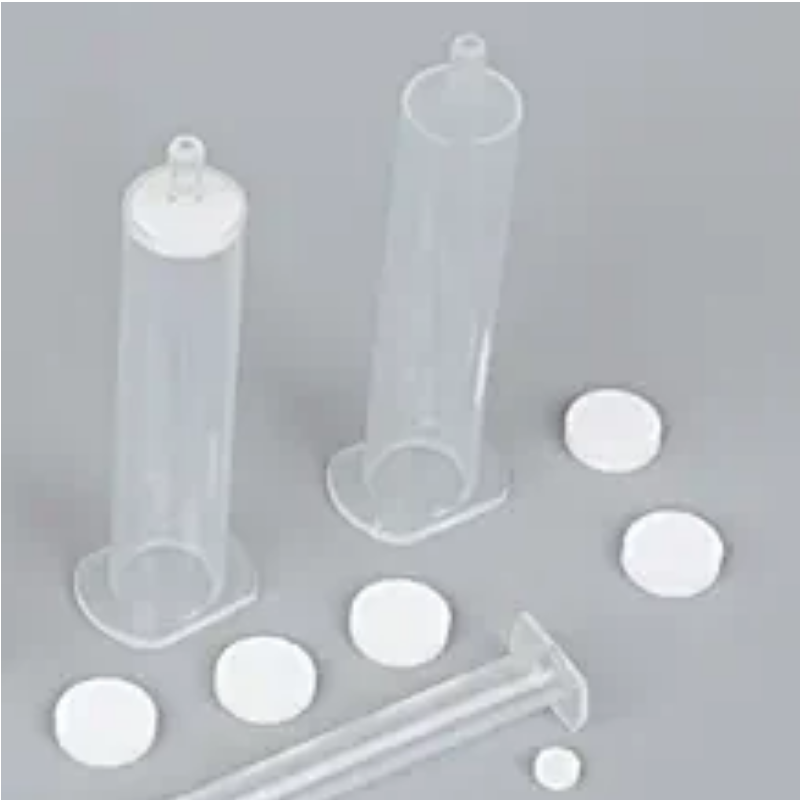
In medical testing or molecular biology, experiments often require handling hazardous, highly sensitive, or highly volatile samples. Using medical pipette tips filters is crucial in these cases to avoid contamination that could alter the sample's composition. For example, when working with viral RNA, DNA, or chemical reagents, filtered tips help maintain the purity of the sample and ensure that no external agents interfere with the results.
These tips are especially useful in applications such as PCR amplification, cell culture, and other tests requiring strict contamination control. By using filtered pipette tips, laboratories can ensure that their experiments are not compromised by outside contaminants. The high sensitivity of medical and scientific tests requires that every element of the procedure be flawless.
Medical and diagnostic laboratories must comply with strict regulations for contamination control. Many of these standards demand that laboratories use equipment and consumables that minimize the risk of cross-contamination. Pipette tips with filters are the ideal solution for this requirement, as they not only prevent contamination but also contribute to meeting the necessary safety and regulatory standards.
For example, in clinical diagnostics, the use of filtered pipette tips helps prevent the accidental spread of pathogens or hazardous materials, protecting both the laboratory staff and the samples themselves. These tips are especially necessary when dealing with highly infectious samples, ensuring that contamination does not spread within the laboratory environment.
When dealing with precious reagents or when working with small volumes of a sample, the use of filtered pipette tips becomes even more critical. These tips prevent any loss of material, ensuring that every drop of the sample is used efficiently. Additionally, they reduce the risk of contamination, which is especially important when working with rare or expensive chemicals, diagnostic reagents, or medical samples.
In medical diagnostics, the cost of reagents and sample loss can be significant. By using filtered pipette tips, laboratories ensure that every sample is accurately measured and no material is wasted. This contributes to more efficient operations and can help reduce costs associated with reagents and precious medical samples.
At Suzhou Kaihong Polymer Technology Co., Ltd., we pride ourselves on producing high-quality, durable medical pipette tips filters designed to meet the needs of diverse industries. Our products are manufactured using advanced polymer materials, ensuring that they meet the rigorous standards required for medical, scientific, and industrial applications.
Our pipette tips filters are designed with precision to provide maximum protection against contamination. They feature superior filtration properties, including high hydrophobicity, which prevents moisture from affecting the pipetting process. Moreover, our filters are compatible with a wide range of pipette models, making them versatile for various applications.
With a focus on innovation and quality, our company continually improves its product designs to ensure optimal performance. We understand the critical importance of sample integrity, and our medical pipette tips filters are specifically engineered to enhance both the safety and accuracy of your work. Our commitment to quality and performance has established us as a trusted provider in the industry.
In conclusion, the use of pipette tips filters is an essential practice in medical, scientific, and industrial applications. These small but powerful tools offer significant benefits, such as preventing contamination, extending the lifespan of pipettes, and ensuring the accuracy and reliability of experiments. At Suzhou Kaihong Polymer Technology Co., Ltd., we are committed to providing the highest-quality pipette tips filters to support the rigorous demands of our customers. To learn more about how our products can benefit your laboratory or medical facility, feel free to contact us today.
1. What is the purpose of a pipette tip filter?
A pipette tip filter prevents aerosols, liquids, and contaminants from entering the pipette shaft, thus ensuring the purity and integrity of the sample being pipetted.
2. How do filtered pipette tips improve accuracy?
By preventing contamination, filtered pipette tips ensure that the sample remains uncontaminated, leading to more accurate and reproducible results, especially in sensitive applications like PCR or medical diagnostics.
3. Can I use standard pipette tips instead of filtered ones?
While standard pipette tips may suffice for general purposes, filtered pipette tips are recommended when handling sensitive or hazardous samples, as they provide an added layer of protection against contamination.
4. How do medical pipette tips filters contribute to safety?
They protect both the sample and the pipette by preventing harmful substances from contaminating the pipette or entering the laboratory environment, ensuring a safer and more controlled experiment or diagnostic test.