close
Choose Your Site
Global
Social Media
Views: 0 Author: Site Editor Publish Time: 2026-05-15 Origin: Site


As global water scarcity and wastewater management become more pressing issues, innovative solutions for effective water treatment and recycling are essential. The growing demand for sustainable water usage has made reclaimed water systems and efficient sewage treatment even more critical. Suzhou Kaihong Polymer Technology Co., Ltd. provides an advanced solution through its TWF microfiltration membrane modules, which are specifically designed to address the complexities of wastewater treatment, effluent management, and water reclamation. These modules offer a cost-effective and reliable means of ensuring cleaner, safer water for both industrial and municipal uses, making them a vital part of modern water treatment solutions.
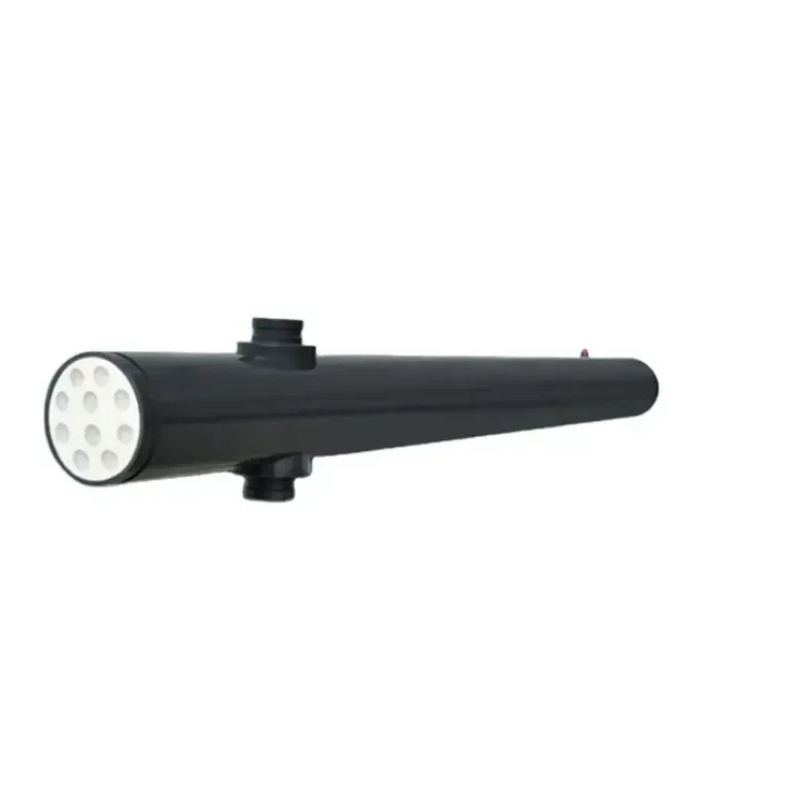
TWF (Tubular, Wrapped, Flat-Sheet, or Fiber Hybrid) microfiltration modules represent a cutting-edge design in filtration technology. These modules are constructed using a combination of hollow fibers arranged in a tubular configuration, offering distinct advantages in water filtration. The TWF microfiltration membrane modules use a unique hybrid design, combining the benefits of both flat-sheet and tubular structures. This modular system can handle a large amount of flow and is highly resistant to clogging, making it a practical solution for various industries dealing with high-volume wastewater or sewage.
The key feature of TWF modules is their pore size range, typically between 0.1 to 10 micrometers, which effectively filters out suspended solids, bacteria, and turbidity from the water. This pore size makes TWF modules ideal for dealing with wastewater that contains fine particulates, microorganisms, and other contaminants. In addition, their high flux rates allow for efficient filtration, providing a continuous flow of treated water at a low energy cost, making the process economically viable and environmentally friendly.
In urban environments, sewage treatment is a vital process for maintaining water quality and public health. TWF microfiltration modules are highly effective in municipal sewage treatment systems, where they act as a polishing step after primary and secondary treatments. They help remove any remaining suspended solids, bacteria, and other impurities that could be present in the treated water.
Once the water is purified, TWF membranes also enable the reclamation of water for non-potable uses, such as irrigation, industrial cooling, or even cleaning applications. By using reclaimed water, municipalities can significantly reduce their demand for fresh water, promoting sustainability and ensuring a more efficient use of resources.
The treatment of industrial wastewater often involves dealing with a wide variety of pollutants, including heavy metals, oils, organic compounds, and high concentrations of solids. TWF microfiltration membrane modules are particularly well-suited for industrial effluent handling, where they effectively remove these contaminants from the water. Their ability to handle high solid concentrations and remove oil and grease makes them a preferred choice for industries like textiles, food processing, chemicals, and more.
These membranes also provide a reliable means of pretreating industrial effluent before further purification processes, such as reverse osmosis (RO) or ultrafiltration (UF). By using TWF modules as a first line of defense, industrial plants can reduce the workload on downstream systems, improving overall efficiency and reducing maintenance costs.
TWF microfiltration modules are also ideal for use in rainwater harvesting systems and surface water treatment. In water resource recovery and stormwater management systems, these modules serve as an initial filtration stage, removing large particles, debris, and sediment before the water undergoes further treatment. By incorporating TWF membranes into rainwater harvesting systems, communities and industries can help ensure that surface water is effectively treated for reuse, contributing to sustainable water management.
One of the standout features of TWF microfiltration modules is their high efficiency in removing suspended solids, total suspended solids (TSS), total dissolved solids (TDS), and turbidity from water. In real-world applications, these membranes have been shown to significantly reduce the levels of contaminants in wastewater, ensuring that the water is safe for reuse or discharge. TWF modules are also effective in removing heavy metals and other pollutants commonly found in industrial wastewater, contributing to cleaner water sources and meeting stringent discharge regulations.
TWF microfiltration membranes are designed to operate continuously, providing stable output over long periods. This is particularly important in large-scale sewage treatment plants and industrial wastewater systems, where consistent water quality is required. The modular design of TWF systems allows for easy scalability, meaning that additional modules can be added as the volume of water increases, making them a versatile solution for growing treatment needs.
The durability of these modules ensures minimal downtime, as the membranes are less prone to fouling compared to other types of filtration systems. This feature also reduces the frequency of cleaning and replacement, leading to lower operational costs and a longer lifespan for the system.
TWF microfiltration modules are not just effective on their own; they also integrate well with advanced treatment systems, such as disinfection, reverse osmosis (RO), and ultrafiltration (UF). TWF membranes can be used as a pre-treatment step to reduce the load on more expensive and energy-intensive systems like RO and UF. This integration enables a more efficient multi-stage filtration process, reducing the overall cost and improving the water quality at each stage.
To maximize the performance of TWF microfiltration membranes, effective pretreatment is essential. Before the water is introduced to the membranes, it should undergo primary filtration to remove large solids, debris, and other particulates. Screening and settling tanks are commonly used in this process, as they help reduce the load on the membrane system, preventing clogging and fouling.
When designing a system with TWF microfiltration modules, it is important to properly configure the number of modules required to meet the flow rates and treatment capacity. Each module’s configuration should be optimized based on the volume of water being processed and the characteristics of the influent. Regular maintenance schedules, including cleaning cycles and integrity checks, are also essential to maintaining the system’s efficiency and longevity.
Effective monitoring is critical to ensuring that the TWF system operates at peak performance. Parameters such as transmembrane pressure (TMP) and flux rates should be regularly monitored to detect any potential issues, such as membrane fouling or clogging. Additionally, a membrane replacement schedule should be established to ensure that the system continues to operate efficiently over time.
TWF microfiltration modules play an important role in supporting the circular economy by enabling the recycling and reuse of water. These membranes contribute to the water conservation efforts by ensuring that wastewater and effluent can be treated and reused in non-potable applications, such as irrigation or industrial processes. This reduces the reliance on freshwater resources and helps industries and municipalities lower their environmental impact.
Compared to traditional filtration systems and chemical treatments, TWF microfiltration modules offer several advantages in terms of cost, energy consumption, and space efficiency. Their modular design reduces the need for large infrastructure, while the low energy requirements and high performance lead to reduced operational costs. These advantages make TWF modules a cost-effective and sustainable choice for wastewater treatment, especially in areas with limited space or resources.
One of the key benefits of TWF microfiltration modules is their flexibility and scalability. As water treatment demands increase, additional modules can be easily added to the system, allowing for seamless expansion. This flexibility makes TWF systems ideal for both small-scale and large-scale operations, as they can be tailored to meet the specific needs of different treatment projects.
TWF microfiltration membrane modules provide an innovative, reliable, and sustainable solution for wastewater treatment, effluent management, and water reclamation. Their high efficiency, durability, and scalability make them ideal for a wide range of applications, including municipal sewage treatment, industrial wastewater management, and reclaimed water projects. By choosing TWF modules, industries and municipalities can significantly reduce their water consumption, improve effluent quality, and contribute to global water sustainability efforts. To learn more about how TWF microfiltration membrane modules can help improve your water treatment process, contact us today.
1. What are TWF microfiltration membrane modules?
TWF microfiltration modules are advanced filtration systems designed to remove suspended solids, bacteria, and turbidity from water. They are ideal for treating industrial effluent, sewage, and reclaimed water.
2. How do TWF membranes benefit water reclamation?
By effectively filtering wastewater, TWF modules enable the recycling and reuse of water for non-potable applications, contributing to water conservation and sustainable water management.
3. Can TWF modules handle industrial wastewater?
Yes, TWF microfiltration membranes are highly effective in treating industrial wastewater, including effluent from industries like chemicals, textiles, and food processing, by removing contaminants like heavy metals and organic compounds.
4. How can TWF modules be integrated into multi-stage filtration systems?
TWF membranes can be used as a pre-treatment step before more advanced systems like reverse osmosis or ultrafiltration, improving the efficiency and reducing the workload on downstream processes.