close
Choose Your Site
Global
Social Media
Views: 0 Author: Site Editor Publish Time: 2026-01-25 Origin: Site


Carbon filter cartridges are an essential component in various water purification systems, playing a crucial role in removing contaminants and improving water quality. These filters are used in both household and industrial applications to ensure that water is safe for consumption and free from harmful substances. This article explores the purpose of carbon filter cartridges, how they work, the different types available, and their role in modern water filtration systems.
A carbon filter cartridge is a filtration device that uses activated carbon to remove impurities from water. Activated carbon, also known as activated charcoal, is a porous material that has a high surface area, making it highly effective in adsorbing contaminants. The filter cartridge is typically cylindrical and contains granular or block carbon. Water passes through the cartridge, and the carbon traps contaminants such as chlorine, heavy metals, pesticides, and volatile organic compounds (VOCs).
There are two main types of carbon filter cartridges:
Granular activated carbon filters consist of loose carbon granules, which provide a large surface area for adsorption. GAC filters are effective at removing chlorine, bad odors, and some organic chemicals. However, they may not remove smaller particles as efficiently as carbon block filters.
Carbon block filters are made from compressed activated carbon. These filters offer a denser and more effective filtration compared to GAC filters, capturing finer contaminants such as VOCs, pesticides, and heavy metals. Carbon block filters are commonly used in reverse osmosis systems and as pre-filters in multi-stage filtration systems.
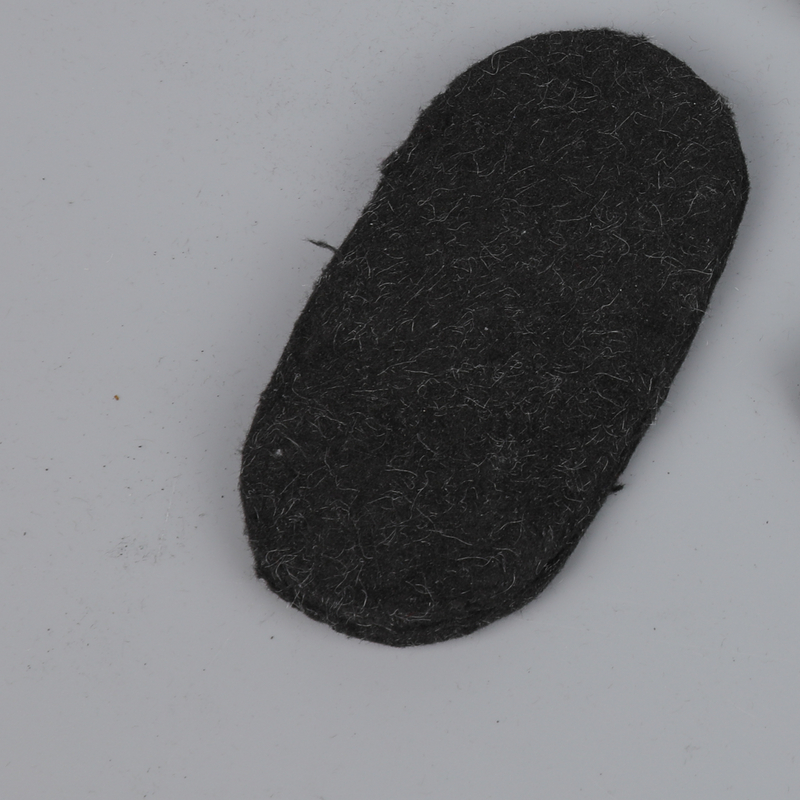
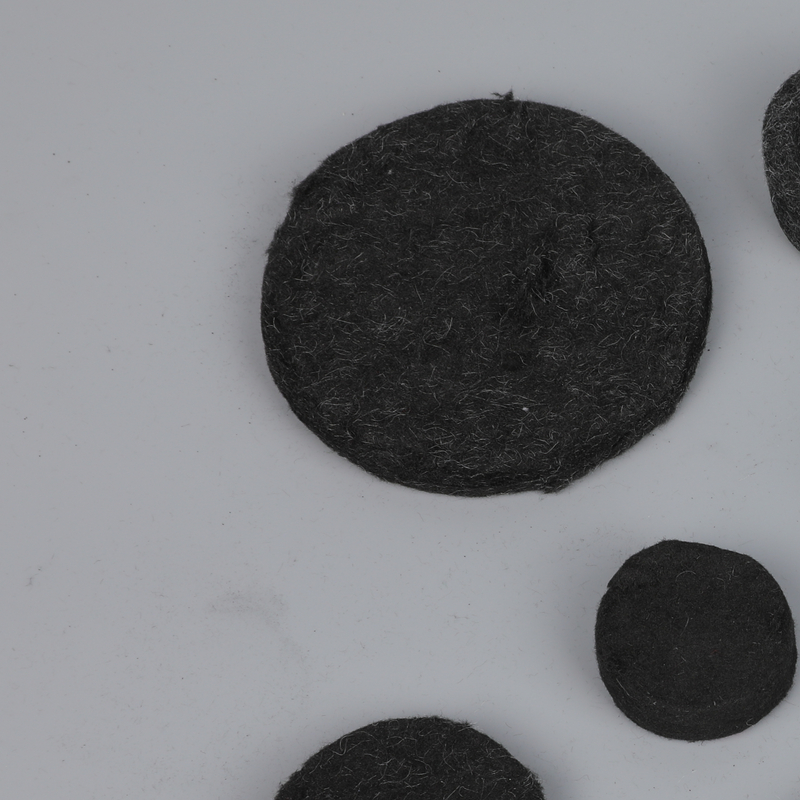
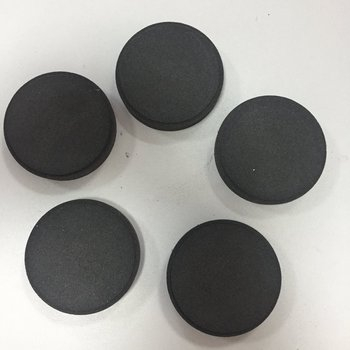
Carbon filter cartridges function primarily through the process of adsorption. In adsorption, water flows through the filter and comes into contact with the activated carbon. The contaminants are drawn to the surface of the carbon, where they are trapped and held.
The adsorption process works because of the large surface area of the activated carbon, which is made up of tiny pores that attract and trap contaminants. The activated carbon is treated to have millions of microscopic pores that provide ample space for the adsorption of molecules.
Chlorine Removal: Chlorine, commonly found in tap water, is one of the main contaminants removed by carbon filter cartridges. Chlorine can cause unpleasant taste and odor, so carbon filters are used to improve water quality by eliminating it.
Organic Chemical Removal: Activated carbon is effective at removing organic chemicals such as pesticides, herbicides, and solvents. These chemicals can often be found in water due to agricultural runoff or industrial pollution, and removing them is vital for ensuring safe drinking water.
Some high-end carbon filters also utilize catalytic properties to break down complex contaminants. For example, some filters can break down sulfur and other compounds that cause unpleasant odors, ensuring the water not only tastes better but is free from other harmful substances.
The primary purpose of a carbon filter cartridge is to improve the quality of water by removing various contaminants. Here are the key functions of these filters:
One of the most common uses of carbon filter cartridges is to improve the taste and odor of water. Chlorine, a common disinfectant used in municipal water treatment, often imparts an unpleasant taste and smell to water. Carbon filters efficiently remove chlorine and chloramines, making water taste fresher and more pleasant.
Carbon filters can also remove harmful chemicals such as pesticides, herbicides, and volatile organic compounds (VOCs). These chemicals are often present in water due to pollution and agricultural runoff. Carbon filter cartridges help eliminate these dangerous substances, ensuring that drinking water is safe and clean.
Some advanced carbon filters are designed to remove heavy metals such as lead and mercury, as well as VOCs. These substances can have serious health effects if consumed over long periods of time. By removing these contaminants, carbon filters help to safeguard public health.
In addition to improving taste and removing harmful substances, carbon filter cartridges can also improve the clarity of water. While carbon filters are not designed to remove all types of particulates, they can filter out some larger particles and organic materials, improving the visual quality of water.
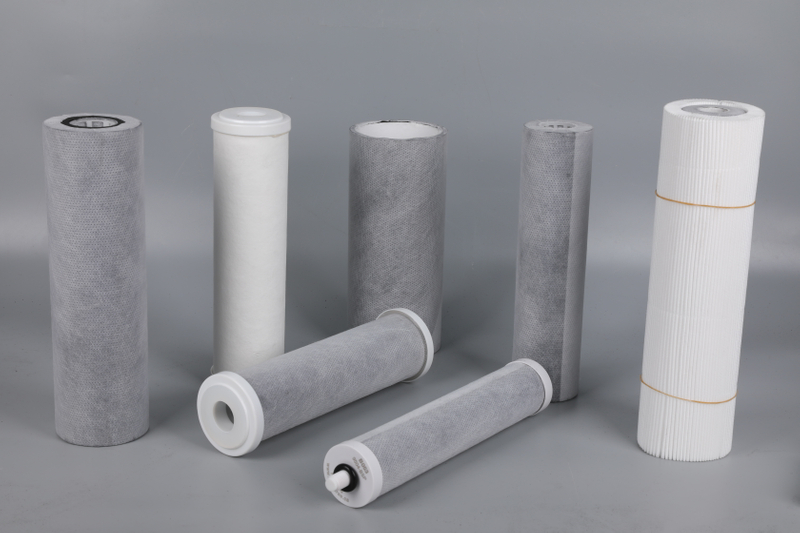
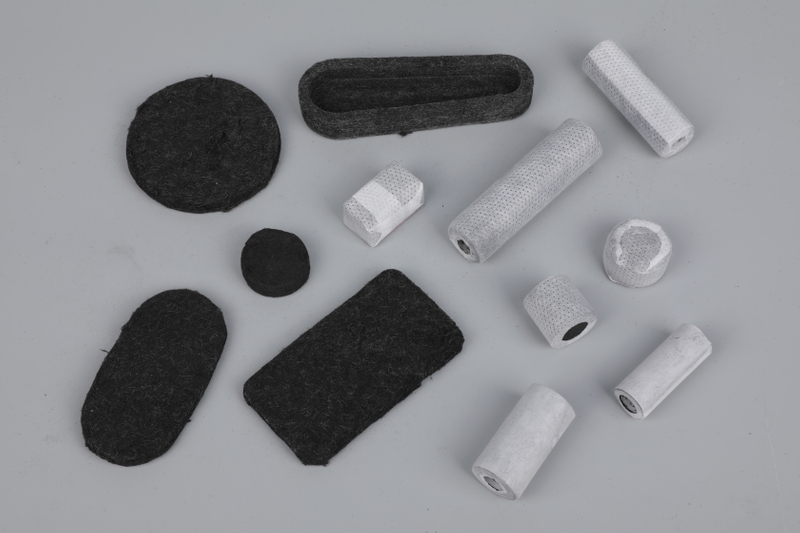
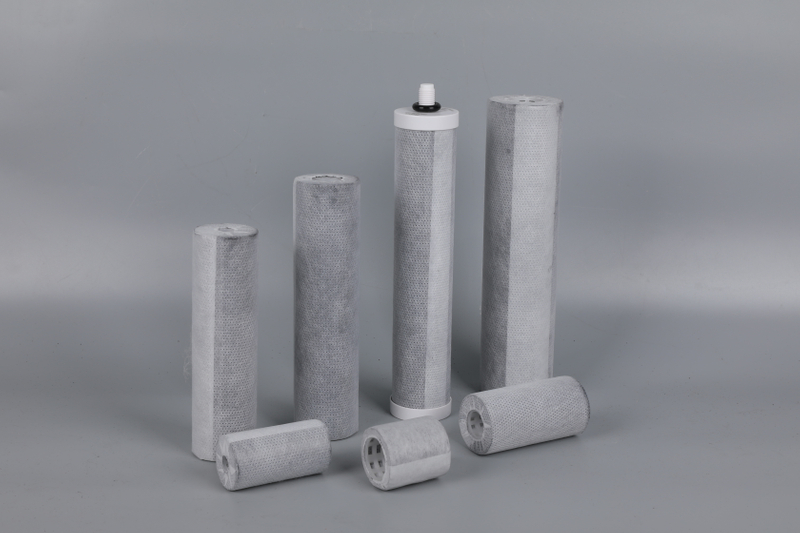

Carbon filter cartridges are widely used in various water purification systems, from residential filters to industrial water treatment systems. Their ability to remove chlorine, VOCs, pesticides, and other contaminants makes them a versatile solution for water filtration.
In household applications, carbon filter cartridges are often used in under-sink water filters, countertop filters, and whole-house filtration systems. They help to ensure that drinking water is free from contaminants, making it safer for daily consumption.
In reverse osmosis systems, carbon filter cartridges are used as pre-filters to remove chlorine and other chemicals before water passes through the RO membrane. This helps extend the life of the RO membrane and enhances the efficiency of the overall filtration process.
Carbon filter cartridges are also used in commercial and industrial applications to treat large volumes of water. These filters help to remove contaminants from water used in manufacturing processes, cooling systems, and other industrial applications.
When selecting a carbon filter cartridge, it is essential to consider the water quality in your area, the types of contaminants you want to remove, and the specific needs of your filtration system. Here are some key factors to consider:
Before choosing a filter, test the water to determine the types of contaminants present. If your water contains chlorine, volatile organic compounds, or pesticides, a carbon filter may be sufficient. However, for more serious contaminants, you may need a combination of filters.
Ensure that the size and flow rate of the carbon filter cartridge match the specifications of your filtration system. This will ensure optimal performance and prevent water flow issues.
Most carbon filters need to be replaced every 3 to 6 months, depending on usage and water quality. Be sure to check the manufacturer's recommendations for the maintenance and replacement of your carbon filter cartridge.
In conclusion, carbon filter cartridges play a crucial role in improving water quality by removing harmful contaminants such as chlorine, volatile organic compounds, and heavy metals. They enhance the taste and odor of water and contribute to overall water safety. Whether used in household water filters, reverse osmosis systems, or industrial water treatment, carbon filter cartridges are essential for ensuring access to clean, safe drinking water.
At KAHO, we specialize in advanced filtration solutions, including carbon filter cartridges designed using cutting-edge polymer technology. Our products are reliable, efficient, and perfect for a wide range of applications, from home water purification systems to industrial filtration. To learn more about our products and how they can improve the quality of your water, visit our website or contact us today.
1. How long does a carbon filter cartridge last?
The lifespan of a carbon filter cartridge depends on water quality and usage. Generally, it needs to be replaced every 3 to 6 months.
2. Can carbon filter cartridges remove bacteria from water?
No, carbon filters do not remove bacteria. For bacterial removal, additional filtration methods like UV filters or reverse osmosis are required.
3. Are carbon filter cartridges reusable?
No, carbon filter cartridges are not reusable. Once the carbon is saturated with contaminants, it needs to be replaced.
4. What types of contaminants do carbon filter cartridges remove?
Carbon filter cartridges are effective at removing chlorine, pesticides, herbicides, volatile organic compounds, and some heavy metals.
5. How can I maintain my carbon filter cartridge?
To maintain your carbon filter cartridge, replace it according to the manufacturer's recommendations. Regularly clean your filtration system to ensure optimal performance.